

The Small Ship Difference
Southeast Alaska isn’t meant to be seen from a balcony. It’s meant to be explored—quietly, slowly, and at human scale.
Small ships change
EVERYTHING
Big ships move through Southeast Alaska on fixed schedules and deep-water routes. Small ships can follow the coastlines, tuck into narrow inlets, and linger when something extraordinary happens.
With just 20–24 guests aboard, our voyages are built around what Alaska gives us that day: the tide, the weather, the wildlife, the light. The result is simple—more access, more time outside, and a deeper sense of place.
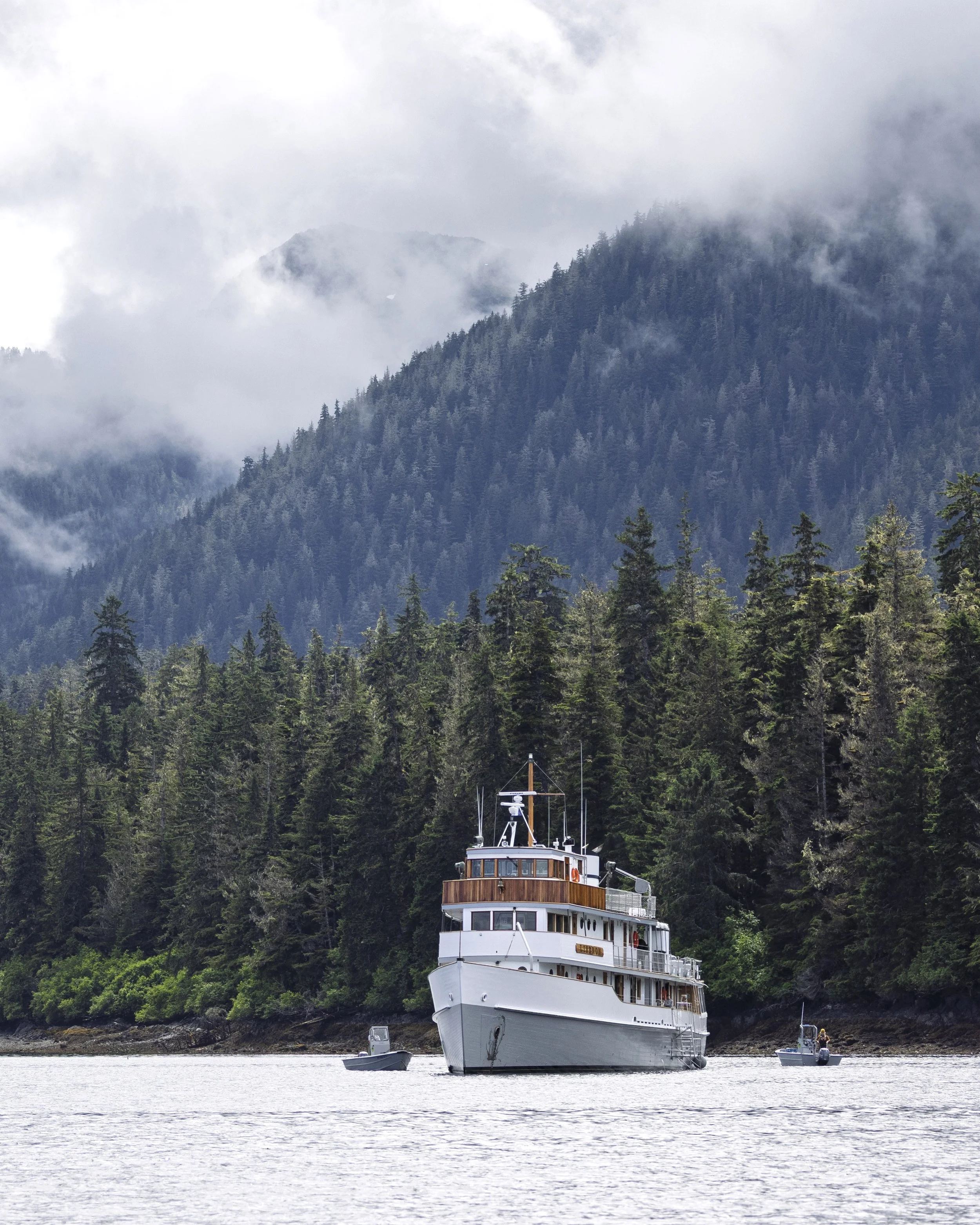
Big Ships
Thousands of passengers
Crowded ports
Noise & pollution
Limited access
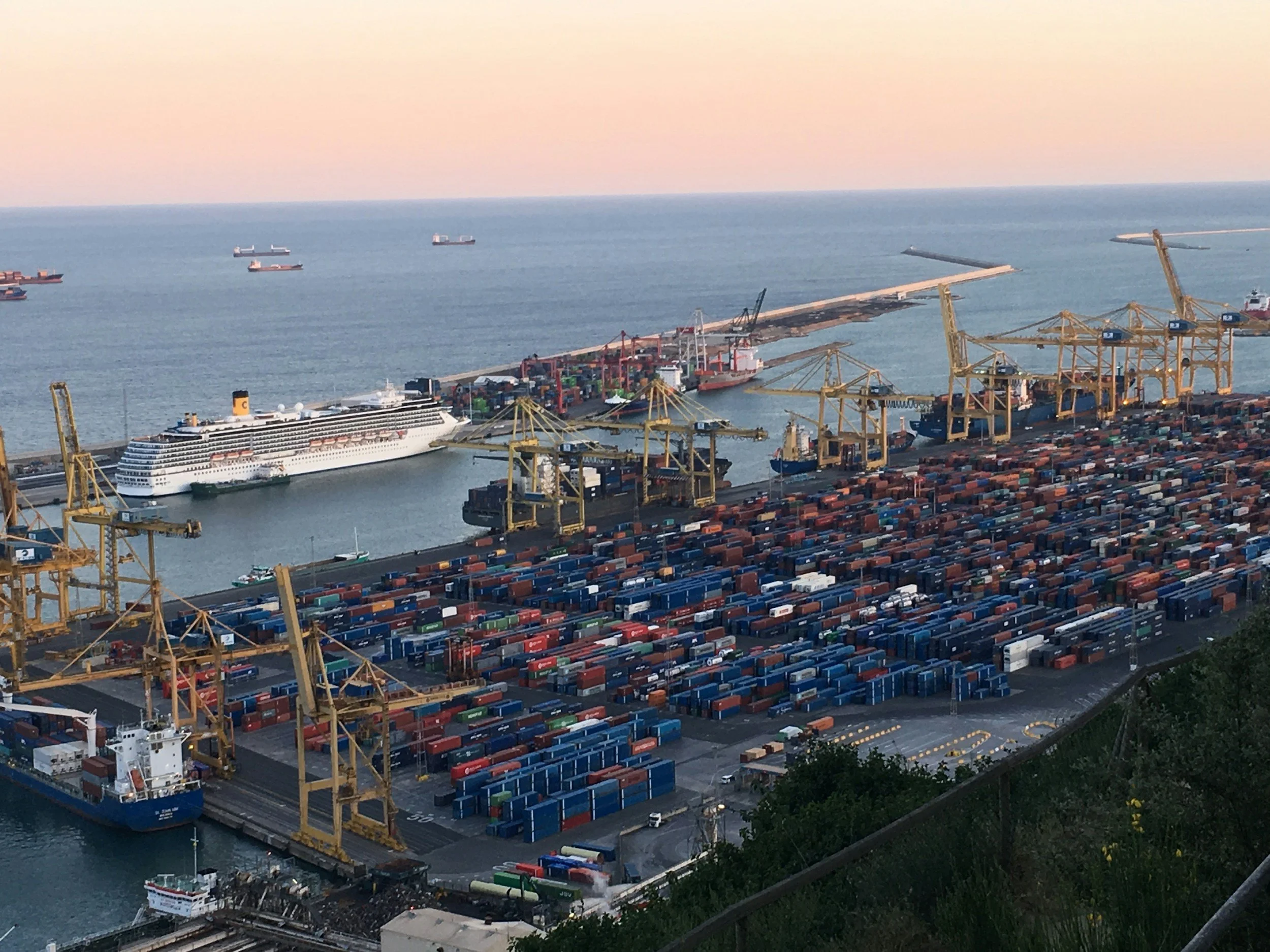
Small Ships
Less than 750 guests per year
Remote & wild places
Quiet & eco-friendly
Exclusive access

Why scale matters in Southeast Alaska
Southeast Alaska is a network of narrow passages, shallow bays, tidal estuaries, and salmon-bearing watersheds. It is not built for industrial volume.
Large cruise ships operating in Alaska are permitted to discharge treated wastewater, including scrubber washwater used to reduce air emissions. That discharge has been documented to contain heavy metals such as copper, zinc, and nickel, as well as polycyclic aromatic hydrocarbons (PAHs) — substances known to accumulate in marine environments and affect invertebrates and juvenile fish.
Underwater radiated noise from large vessels has also been shown to overlap with the frequency ranges used by humpback whales and other marine mammals for feeding and communication. In narrow fjords, sound does not dissipate quickly. It reverberates.
On peak ship days, thousands of visitors can disembark into small port towns within a matter of hours — straining infrastructure, altering waterfront economies, and shifting cultural focus toward high-volume retail.
In Sitka and Juneau, even basic services like internet bandwidth can become overwhelmed when multiple large ships are in port. We know this firsthand — our team members living and working there during the season plan our Zoom meetings around it.
This is an argument for travel — in scale.
Across both of our vessels, we have just 22 guest cabins operating approximately 17 weeks each year. Even at full double occupancy, that means fewer than 750 guests travel with us in an entire season. Compare that to thousands of passengers moving through a dock in a single afternoon. We do not use exhaust scrubbers. We do not operate casinos. We do not move volume — we move intentionally.
Small scale changes impact — on the water, in the forest, in wildlife habitat, and in communities.
It was a principle understood by our founder, Michael McIntosh, who could have selected a high-capacity ship when founding The Boat Company, but instead chose to remain small.
2
SMALL SHIPS
20-24
GUESTS
22
CABINS PER WEEK
17
WEEKS PER SEASON
748 PEOPLE
MAX PER YEAR
Some ships bring 3,000–5,000 guests per sailing.
We don’t bring 1,000 in an entire year.
Designed for daily expeditions
Our ships are not the destination. They are expedition platforms.
Each day is built around getting you into the landscape — safely, respectfully, and often.
Depending on weather and tide, you may:
Explore protected waters by skiff at eye level with wildlife
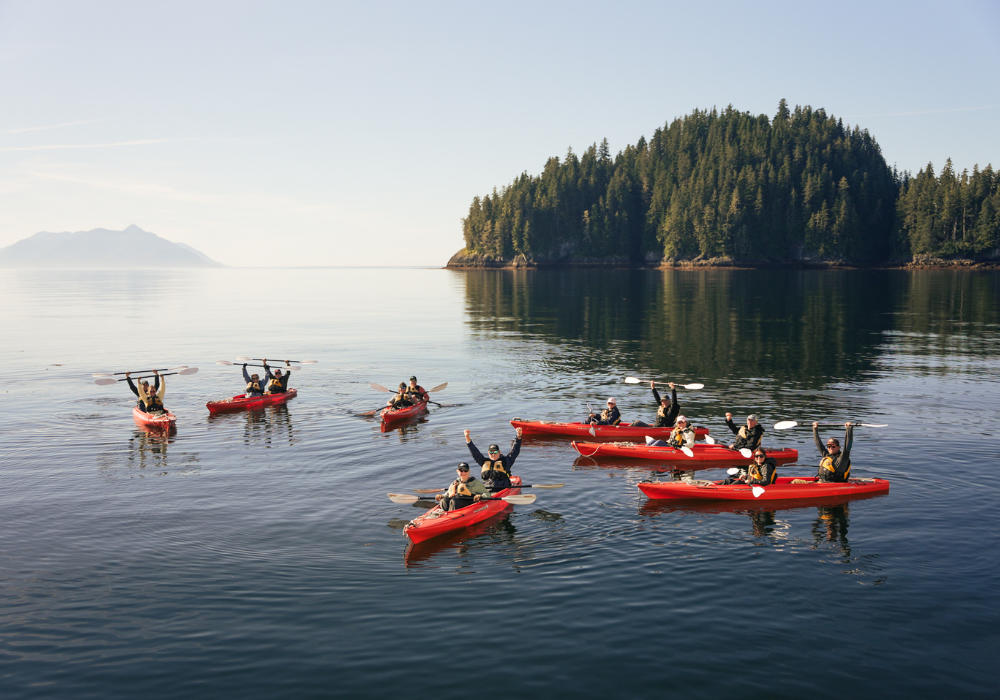
Kayak along quiet shorelines and glacial outflow areas at safe distances
Hike through old-growth forest under Forest Service special-use permits
Fish for salmon, halibut, rockfish, shrimp, crab, trout and more when permitting allows
Spend extended time observing whales, brown bears, black bears, sea lions, otters, eagles, Arctic terns, and more
Activities are optional, varied, and guided by experienced crew, including a dedicated onboard naturalist, who know these waterways intimately.
You are not watching Alaska. You are in it.
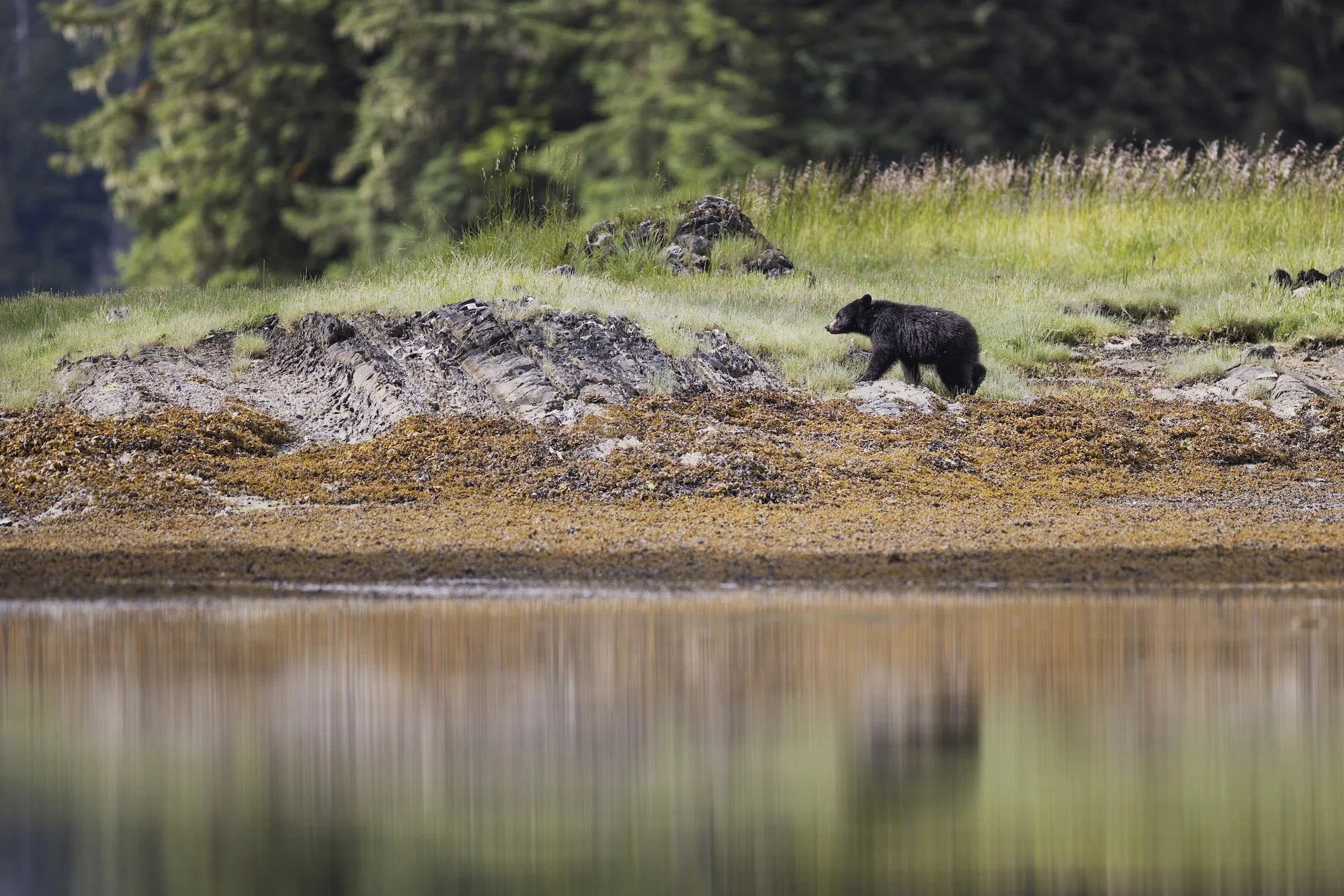

Access That Doesn’t Exist at Scale
Special-use permits
Narrow inlets
Tide-sensitive passages
Anchorage flexibility
Access not available to industrial-scale tourism
Comfortable.
Purpose-built.
Uncomplicated.
Our ships are not floating resorts — and that’s intentional.
They are expedition vessels designed specifically for Southeast Alaska — stable in open passages, maneuverable in narrow inlets, and built for access where larger ships simply cannot go.
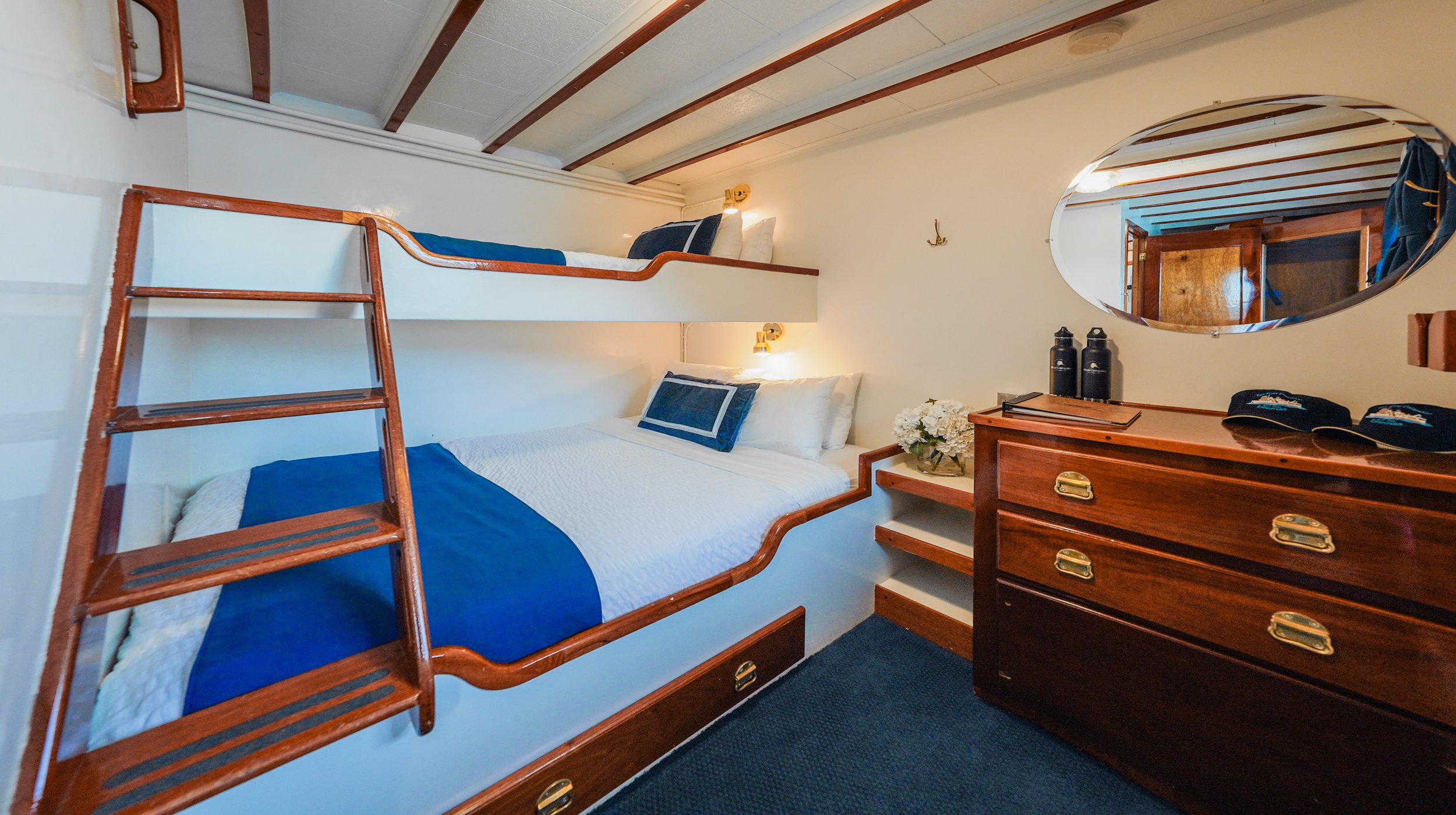
Each stateroom includes a private bathroom and direct exterior access and windows that connect you visually to the landscape. After a full day outdoors, the bedding is intentionally comfortable — the kind you sink into and sleep deeply in.
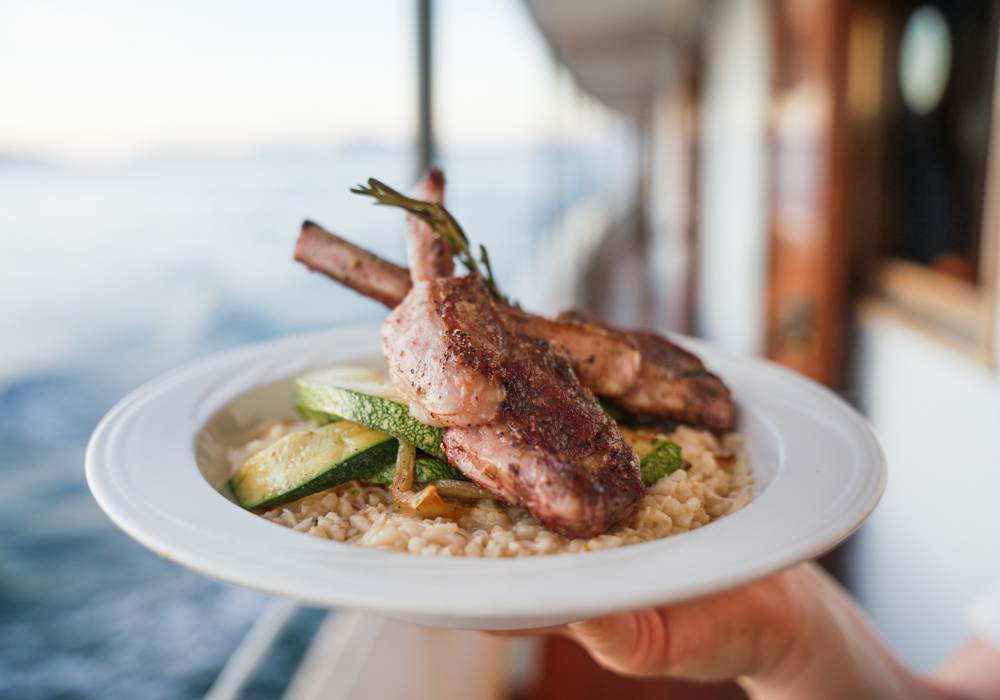
The salon is warm and inviting, designed for conversation, reading, and evening recaps of the day’s wildlife sightings. Meals are plated and served by crew in our enclosed, heated fantail dining area, surrounded by panoramic views of the passing coastline.
There is no spa. No casino. No theater.
The luxury here is intentional simplicity — quiet anchorages, attentive service, and the flexibility to change course when wildlife appears off the bow.

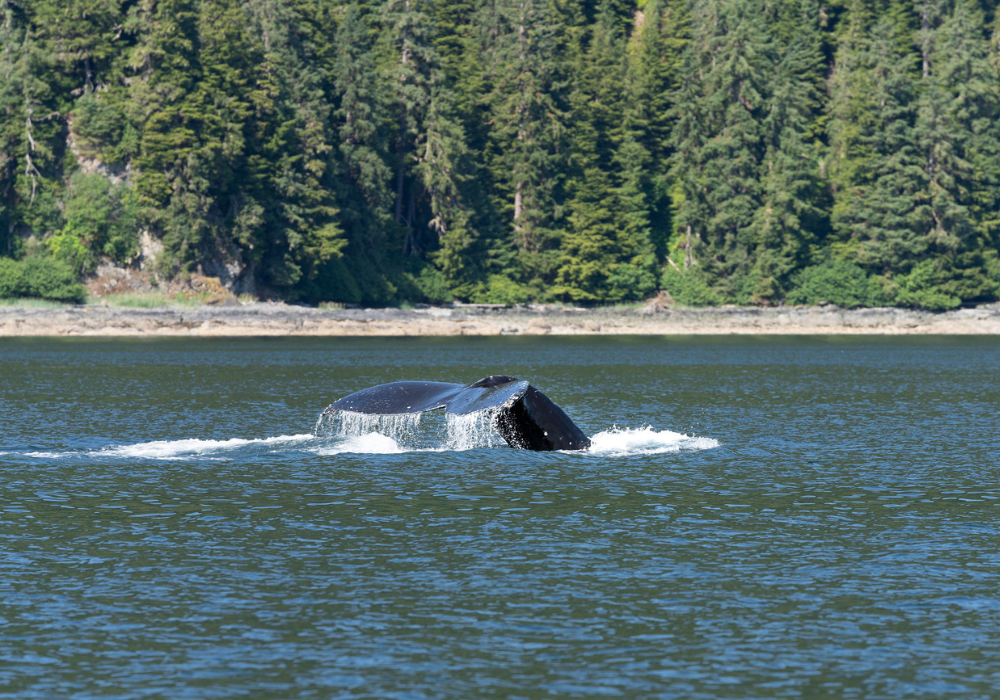
Protecting the Tongass is why we exist
Since inception, The Boat Company has reinvested over $30 million into Alaskan conservation efforts.
That work includes:
Funding and partnering on every major environmental lawsuit protecting the Tongass over the past 40+ years
Supporting the defense of the 2001 Roadless Rule, which protects 58.5 million acres nationwide, including 9.2 million acres within the Tongass
Employing a dedicated environmental defense attorney focused on Tongass policy and legal advocacy
Hosting federal decision-makers in Southeast Alaska to experience what protection truly means on the ground
The Tongass spans nearly 17 million acres, stores an estimated 650 million metric tons of carbon, and contains over 70,000 miles of salmon streams.
This work is not symbolic.
It is policy-level, legal-level, and watershed-level.
And it happens year after year.
Learn more about our conservation efforts in Southeast Alaska →
Quick Questions
-
It is a refined, crew-led expedition experience.
Service is attentive. Gourmet meals are plated and served. Staterooms are comfortable and thoughtfully designed. The atmosphere is calm and intimate.
What you won’t find are multi-story atriums, shopping corridors, or onboard entertainment venues.
The focus is on Southeast Alaska.
-
Each voyage includes a mix of guided hiking, kayaking, skiff exploration, glacier viewing, wildlife observation, and fishing.
Activities are optional and adaptable. Some hikes are gentle shoreline walks. Others involve moderate elevation gain through old-growth forest. Kayaking ranges from protected bays to longer exploratory paddles.
Guests choose their pace. Our crew guides the options.
-
Our focus is wilderness, water, and remote landscapes that cannot be accessed by road or large ship.
Many of the shorelines and trails we explore are reachable only by small vessel. Some see few visitors beyond those who arrive under Forest Service special-use permits.
This is expedition travel, not port-hopping.
-
The M/V Liseron hosts 20 guests and the M/V Mist Cove hosts 24 guests.