
The Tongass Forest Plan Is Being Revised — Here’s What That Means
The future of the Tongass National Forest is being decided right now.
The U.S. Forest Service has opened public comment on a full revision of the Tongass Forest Plan — the first comprehensive update since 1997. This process will shape how Southeast Alaska’s forests, watersheds, and wildlife are managed for decades to come.
Public comments are open through September 21, 2026.
If you’re not sure what to say, you’re welcome to use or adapt the message below:
I support a Tongass Forest Plan that protects old-growth forests, salmon habitat, and wildlife while prioritizing recreation and sustainable economic uses.
The Tongass is an irreplaceable ecosystem, and its long-term health should guide future management decisions.
Alternatively, you can download our comment letter and upload it in the “Attachments” section and it will serve as your comment.
What Is the Tongass Forest Plan?
The Tongass Forest Plan is the long-term framework used by the U.S. Forest Service to manage the 16.7-million-acre Tongass National Forest.
It does not approve individual projects. Instead, it sets the rules that guide all future decisions — including logging, recreation, habitat protection, and watershed management.
Every timber sale, trail project, and conservation measure must align with this plan.
Learn more about the Forest Plan, what it affects in the Tongass and more →
Why This Matters
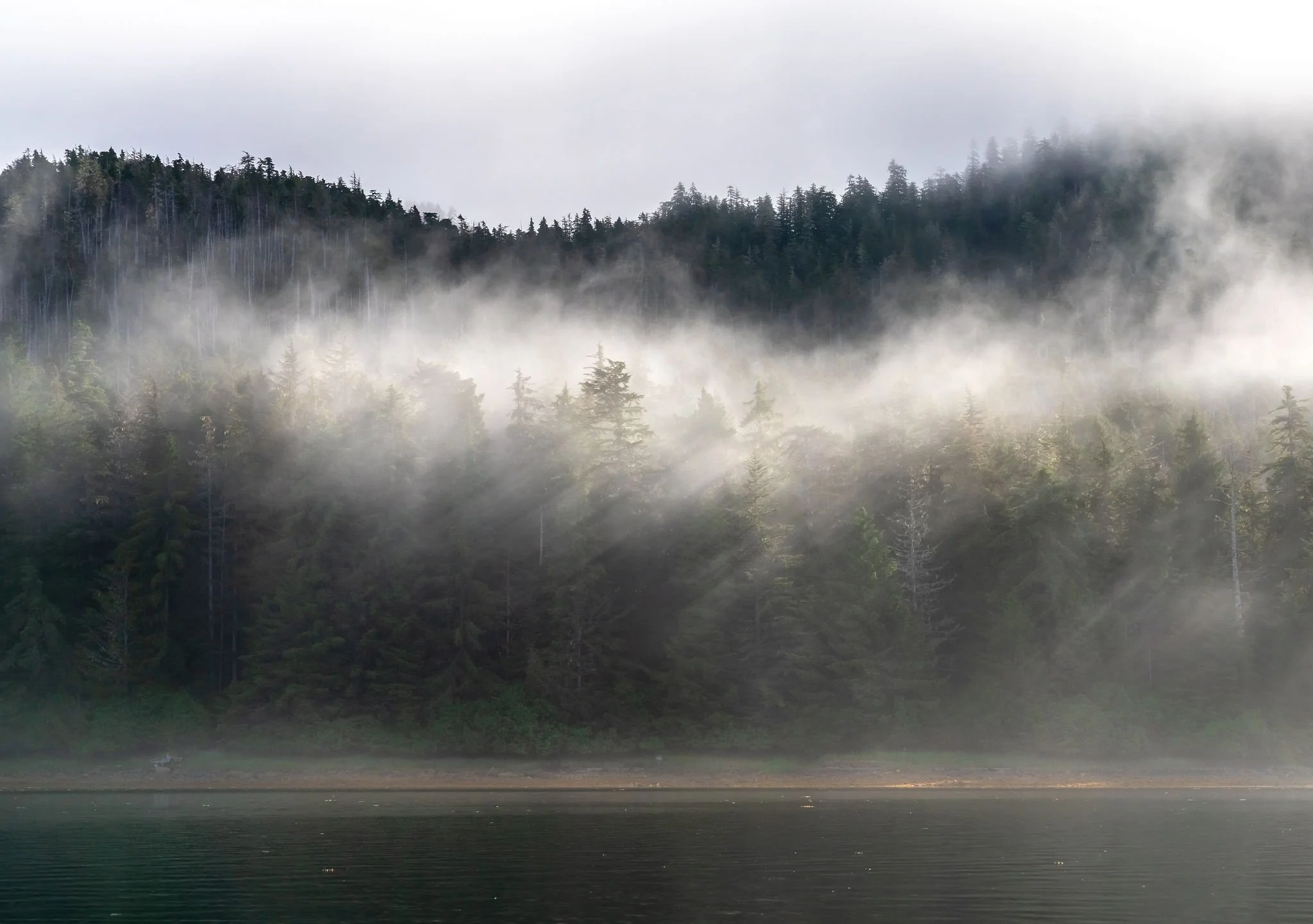
The Tongass is the largest intact temperate rainforest in the world and a defining landscape of Southeast Alaska.
It supports:
salmon streams that sustain fisheries and communities
wildlife that depend on old-growth forests
a growing recreation and tourism economy
Over time, management of the forest has shifted — from large-scale old-growth logging toward greater conservation and balanced use.
This revision will determine how that balance is defined moving forward.
What’s Happening Now
In February 2026, the Forest Service initiated a formal revision process through a Notice of Intent, opening the first phase of public input.
This phase — known as “scoping” — helps determine what options and alternatives the agency will study.
Early planning materials indicate that the Forest Service may consider:
expanding areas suitable for timber harvest
simplifying land-use designations
adjusting protections for watersheds and wildlife in some scenarios
responding to increased recreation and tourism use
These are not final decisions. But they signal the range of directions that could be evaluated in the next stage of planning.
Why Public Comments Matter
This is your opportunity to help shape the future of the Tongass.
Comments submitted now influence:
what alternatives are developed
what impacts are analyzed
what priorities are considered in the next phase
Future opportunities will follow, but this stage helps define the foundation for everything that comes next.
A Moment for the Tongass
For those who have spent time in Southeast Alaska, the Tongass is more than a map or a policy framework.
It is:
the quiet of a forest trail
the movement of salmon through a river system
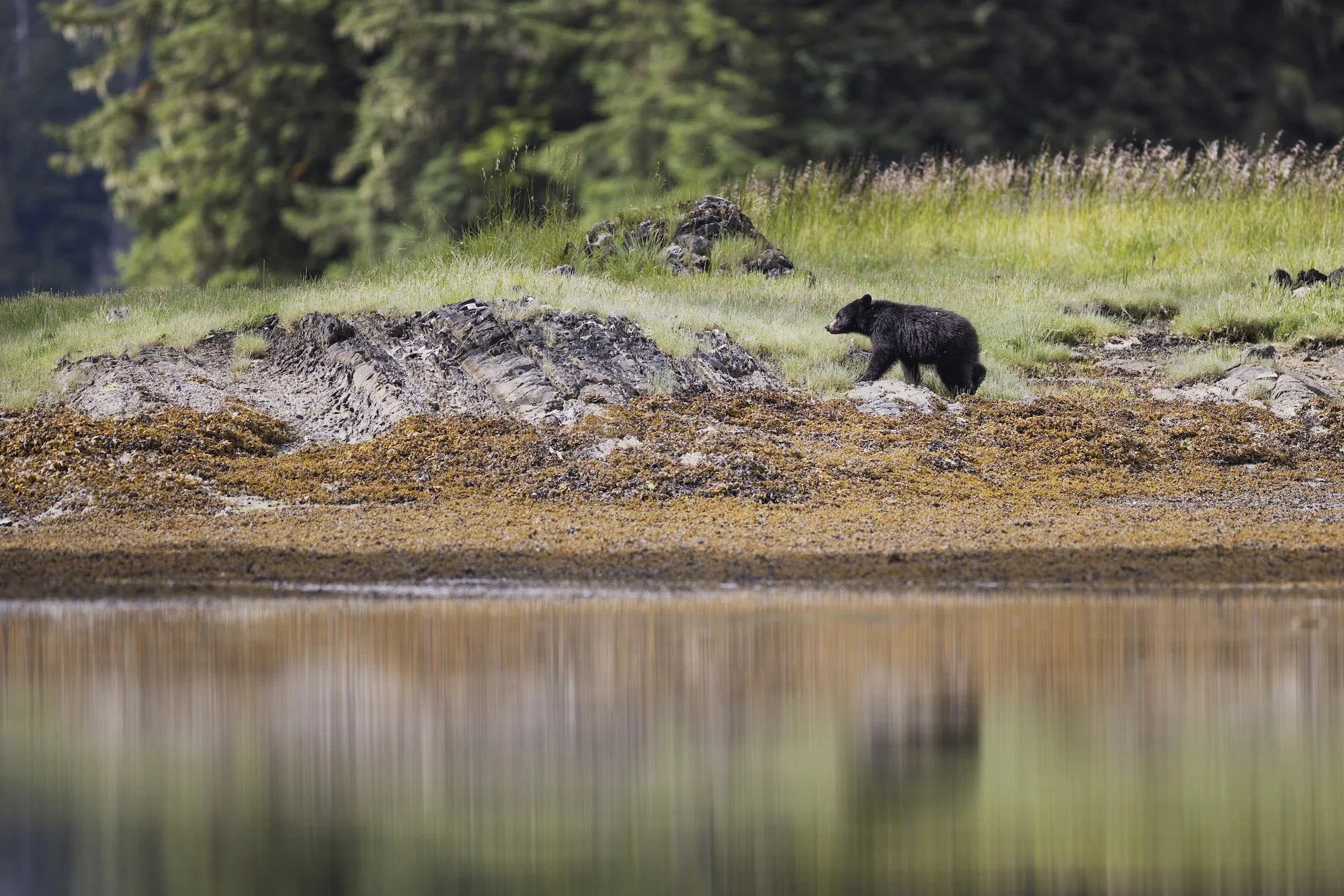
the presence of wildlife along a shoreline
The Forest Plan determines how these experiences — and the ecosystems behind them — are managed over time.
The Tongass has always been shaped by the people who know it, depend on it, and care about its future.
This is one of those moments.
How to Submit a Comment
Public comments are open until:
September 21, 2026
Submit your comment directly through the U.S. Forest Service →
Suggested Comment Language
If you’re not sure what to say, you’re welcome to use or adapt the message below:
I support a Tongass Forest Plan that protects old-growth forests, salmon habitat, and wildlife while prioritizing recreation and sustainable economic uses.
The Tongass is an irreplaceable ecosystem, and its long-term health should guide future management decisions.
Understand More About the Forest Plan
Explore the full overview of the Tongass’ Forest Plan — including its history, how it guides forest management, and what’s changing in the current revision.