
The Tongass Forest Plan
For nearly fifty years, The Boat Company has guided guests through the fjords, forests, and salmon streams of Southeast Alaska.
These landscapes are not static. They are shaped by policy, stewardship, and public input.
At the center of those decisions is the Tongass Forest Plan — the document that determines how this 16.7-million-acre rainforest is managed for generations to come.
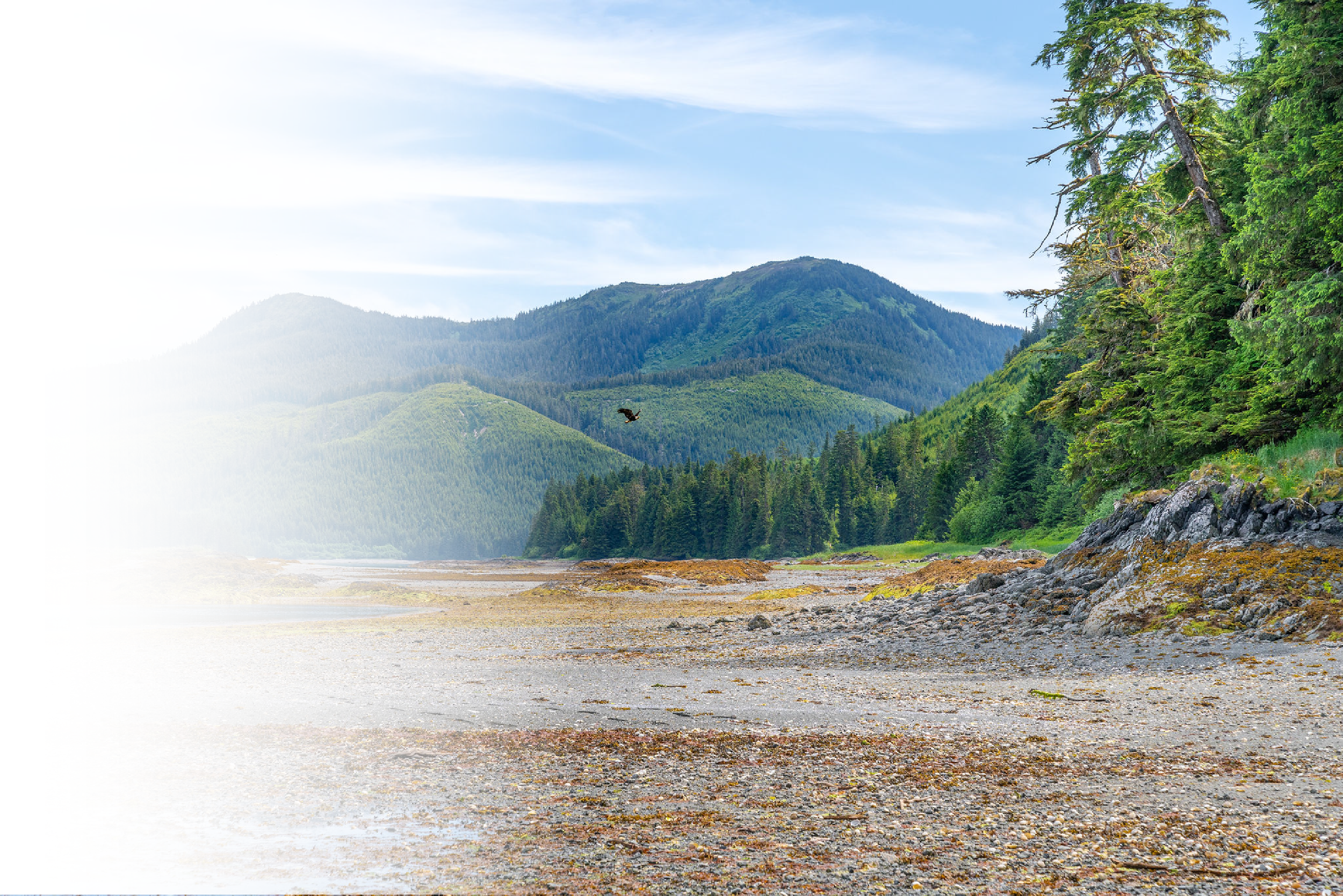
What Is the Tongass Forest Plan?
The Tongass Forest Plan — formally the Land and Resource Management Plan — is the guiding framework used by the U.S. Forest Service to manage the Tongass National Forest.
Required under the National Forest Management Act, the plan does not authorize individual projects. Instead, it establishes the long-term vision and rules that all future decisions must follow.
It defines how the forest is managed through:
Desired conditions for ecological, social, and economic outcomes
Objectives that move management toward those conditions
Standards and guidelines that set limits and direction
Land suitability designations for uses like timber, recreation, and conservation
Monitoring requirements to track outcomes over time
Every project in the Tongass — from timber sales to trail development — must be consistent with this plan.
What It Governs
The plan applies across the entire Tongass — approximately 16.7 million acres, covering most of Southeast Alaska.
It shapes decisions about:
Timber and logging — where harvesting can occur and under what conditions
Recreation and tourism — access, infrastructure, and scenic integrity
Wildlife habitat — protections for species and old-growth ecosystems
Watersheds and fisheries — safeguards for salmon streams and water quality
In effect, the Forest Plan determines how the land, water, and resources of Southeast Alaska are balanced over time.
A Brief History of the Plan
The Tongass Forest Plan has evolved over several decades, reflecting changing priorities and understanding of the region.
1979
The first plan was adopted following the National Forest Management Act
1997
A major revision established the current framework, including protections for wildlife habitat, old-growth reserves, and roadless areas
2008-2016
Amendments shifted the focus away from old-growth logging toward young-growth management and added considerations for energy, transportation, and land exchanges
Why the Tongass Matters Today
The Tongass is the largest intact temperate rainforest in the world and plays a central role in the ecology and economy of Southeast Alaska.

Southeast Alaska’s economy has changed significantly.
Today:
tourism and recreation are major economic drivers
fishing remains central to coastal communities
timber represents a smaller share of regional employment than in previous decades
Communities and Economy
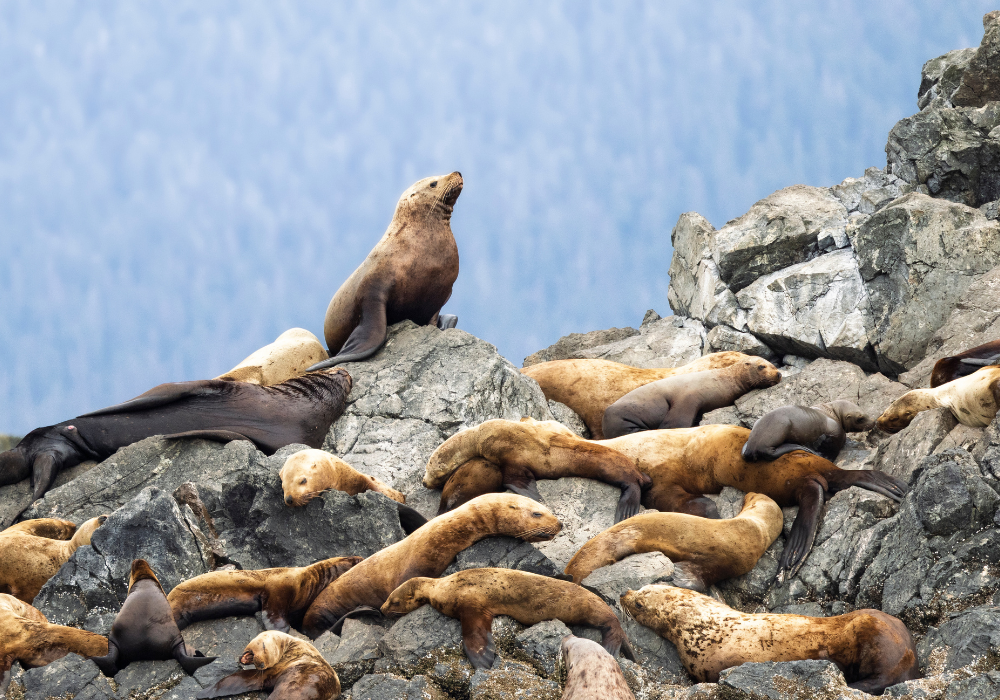
The Tongass provides critical habitat for:
brown bears
Sitka black-tailed deer
bald eagles
the Alexander Archipelago wolf
hundreds of species dependent on old-growth ecosystems
Wildlife Habitat

For visitors, the Tongass is defined by intact landscapes:
old-growth forests
salmon streams
wildlife-rich shorelines
These are the conditions that support the region’s recreation and small-ship tourism economy.
The Visitor Experience
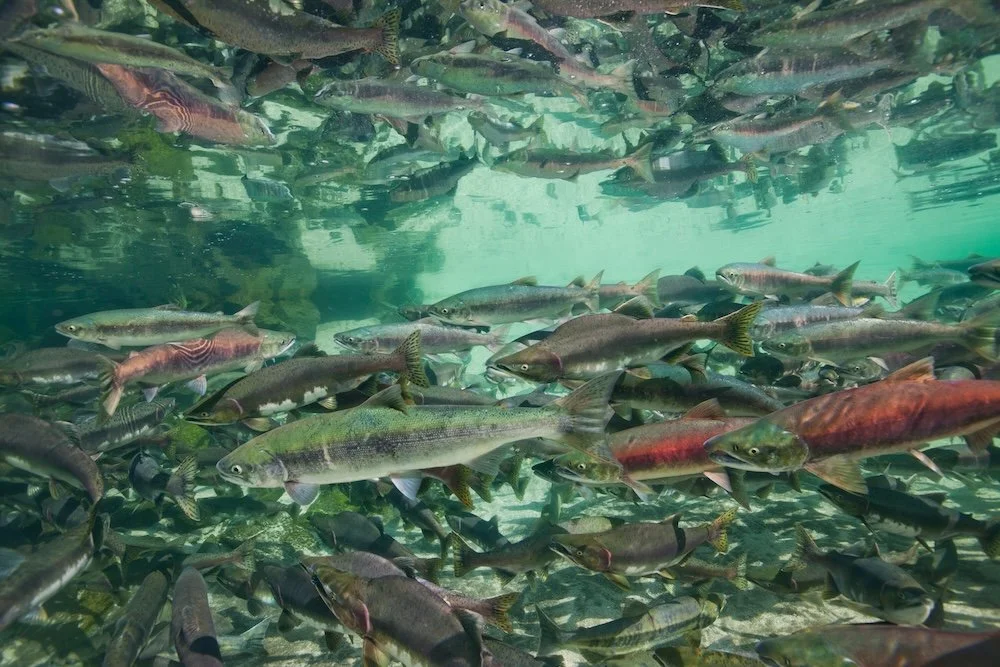
The region’s rivers and streams support a significant portion of Alaska’s salmon runs — forming the foundation of commercial, subsistence, and sport fisheries.
Healthy watersheds are directly tied to healthy fisheries and local livelihoods.
Salmon and Watersheds
Current Issues
The Current Forest Plan Revision (2026)
The U.S. Forest Service is now conducting the first full revision of the Tongass Forest Plan since 1997.
This process is intended to update the plan based on:
new ecological science
economic changes
evolving public use of the forest
updated federal planning rules
What’s Happening Now
A Notice of Intent was published in February 2026, beginning the initial public “scoping” phase.
What Early Planning Signals Suggest
Early planning materials indicate the agency may consider:
simplifying land-use designations into broader categories
expanding areas suitable for timber harvest
adjusting protections for watersheds and wildlife in some scenarios
addressing increased recreation and tourism use
evaluating changes related to roadless areas
These are preliminary considerations, not final decisions — but they help define the range of options that will be studied.
What Comes Next
Fall 2026 — Draft plan and Environmental Impact Statement
Public comment period
2027 (projected) — Final plan and decision
A Recreation-Based Alternative
As the Forest Service develops alternatives, one approach reflects the current reality of Southeast Alaska:
a forest managed primarily for long-term ecological health and recreation-based economies.
This approach emphasizes:
protecting remaining old-growth forests
strengthening watershed and salmon habitat protections
supporting wildlife viability
investing in trails, access, and recreation infrastructure
aligning management with tourism and fishing economies
It recognizes that intact landscapes are not only ecologically important — they are also central to the region’s economy and identity.
Stay Tuned
The Forest Plan revision process includes multiple opportunities for public input.
The next and final opening for public input will be in the fall of 2026.
We welcome you to join our newsletter in order to stay tuned to updates. We will also send a reminder and guidance when the public comment period is open.