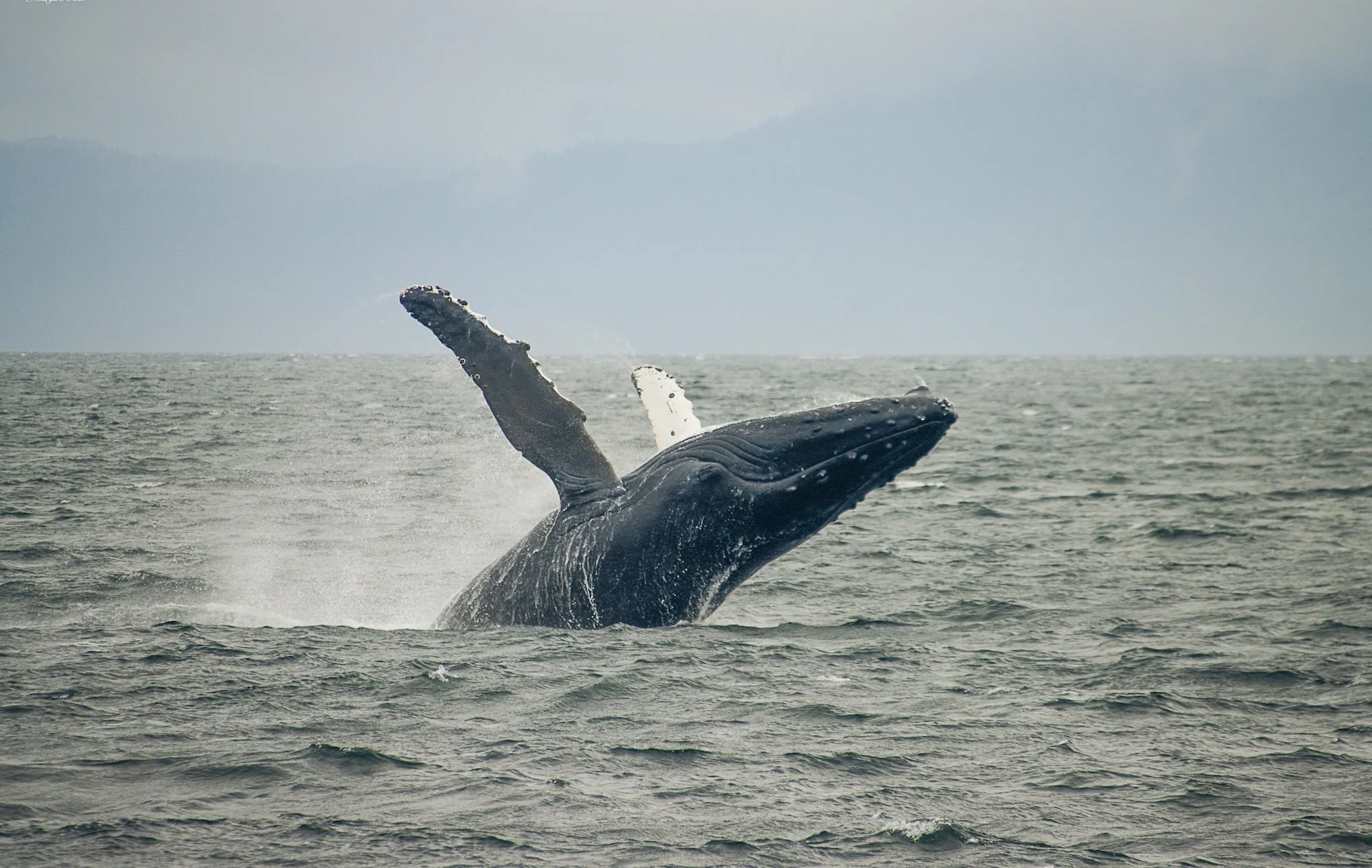
Witnessing Humpback Whales Bubble Net Feeding in Southeast Alaska
Picture this: you're out on the water in the Inside Passage, the boat drifting quietly as the surface starts to fizz with bubbles. Then, in a rush, massive humpback whales surge up, mouths agape, scooping up schools of fish in one coordinated gulp. It's the kind of moment that stops you in your tracks, reminding you how connected everything is in these wild places.
We've captured one of these encounters in a video from our small ship, with naturalist Christian Desrochers narrating from the bow. Take a look—it's like being right there with us.
What Exactly Is Bubble Net Feeding?
Bubble net feeding is a smart hunting trick humpback whales use to catch fish like herring, capelin, or even young salmon.

Instead of chasing prey one by one, they work as a team—or sometimes solo—to create a "net" of bubbles underwater. One whale dives down and swims in a circle, blowing bubbles from its blowhole. These bubbles rise and form a curtain that traps the fish in a tight ball near the surface. Then, the whales lunge up together, mouths wide open, swallowing as much as they can before filtering out the water with their baleen plates.
Christian explains it well in the video: it's a step up from their usual krill diet, which is easier to catch but less calorie-packed. For these faster fish, they need this strategy to make the effort worthwhile. It's cooperative, learned over time, and mostly seen in places like Southeast Alaska where food is plentiful.
How Humpbacks Pull It Off: A Closer Look
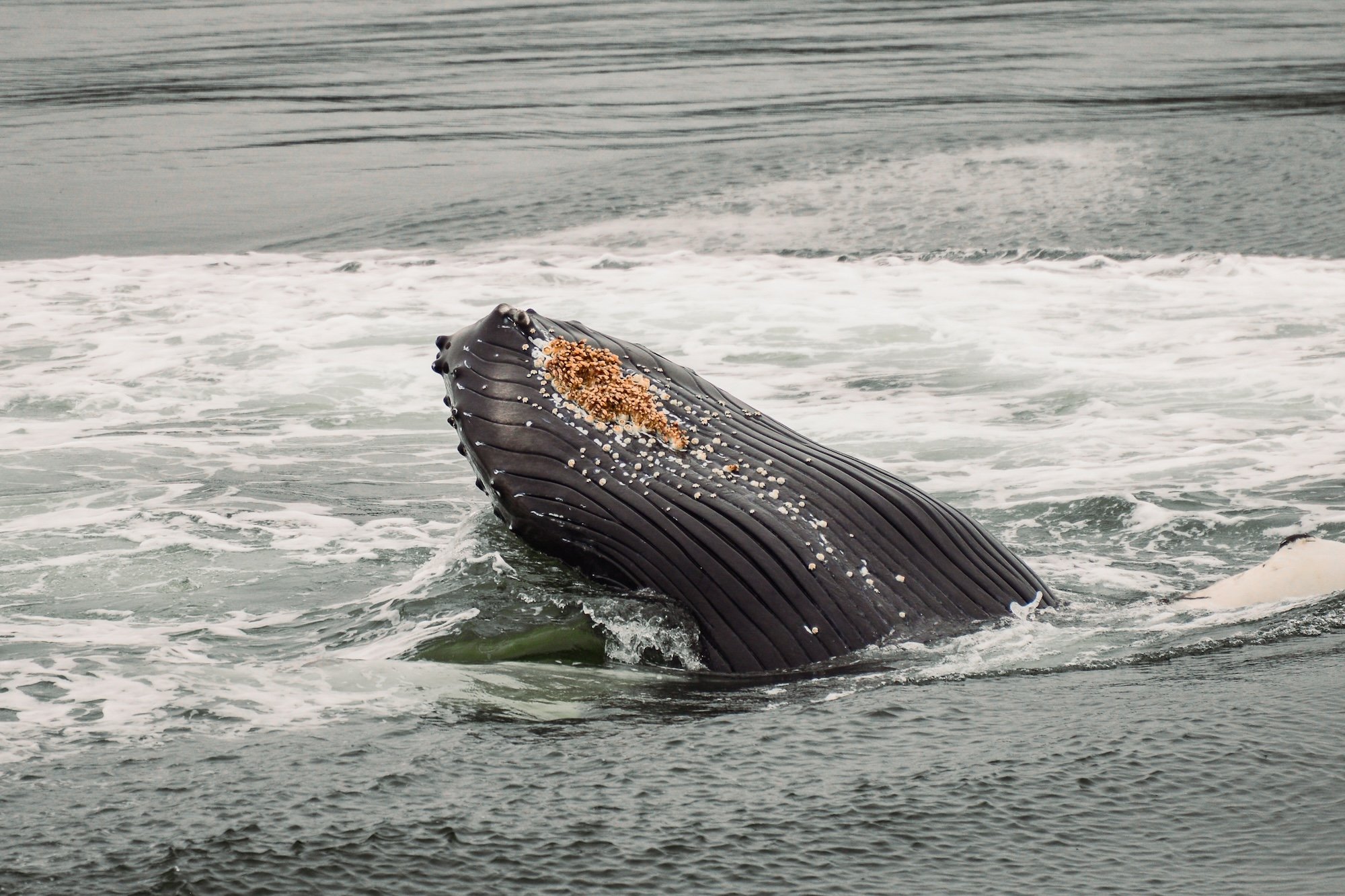
These whales aren't just big—they're built for the job. Adult females can reach about 49 feet long and weigh up to 35 tons, with males a bit smaller. Their long pectoral flippers, which can be up to a third of their body length, help them make tight turns no other baleen whale can match. That's key for spiraling under the fish without scattering them.
During a feed, they might dive to around 20 meters—that's about the limit where bubbles still hold together effectively. And the payoff? This method can boost their prey catch by up to seven times compared to a regular lunge. In summer feeding grounds, a single humpback can down 1.5 tons of food a day, mostly krill and small fish.
It's not instinct alone; this behavior spreads through groups, like teaching a family recipe. Studies show it's culturally transmitted, with whales learning from each other, even across regions. In places like the Canadian Pacific, it's helped populations rebound.
Why Southeast Alaska? The Tongass Connection
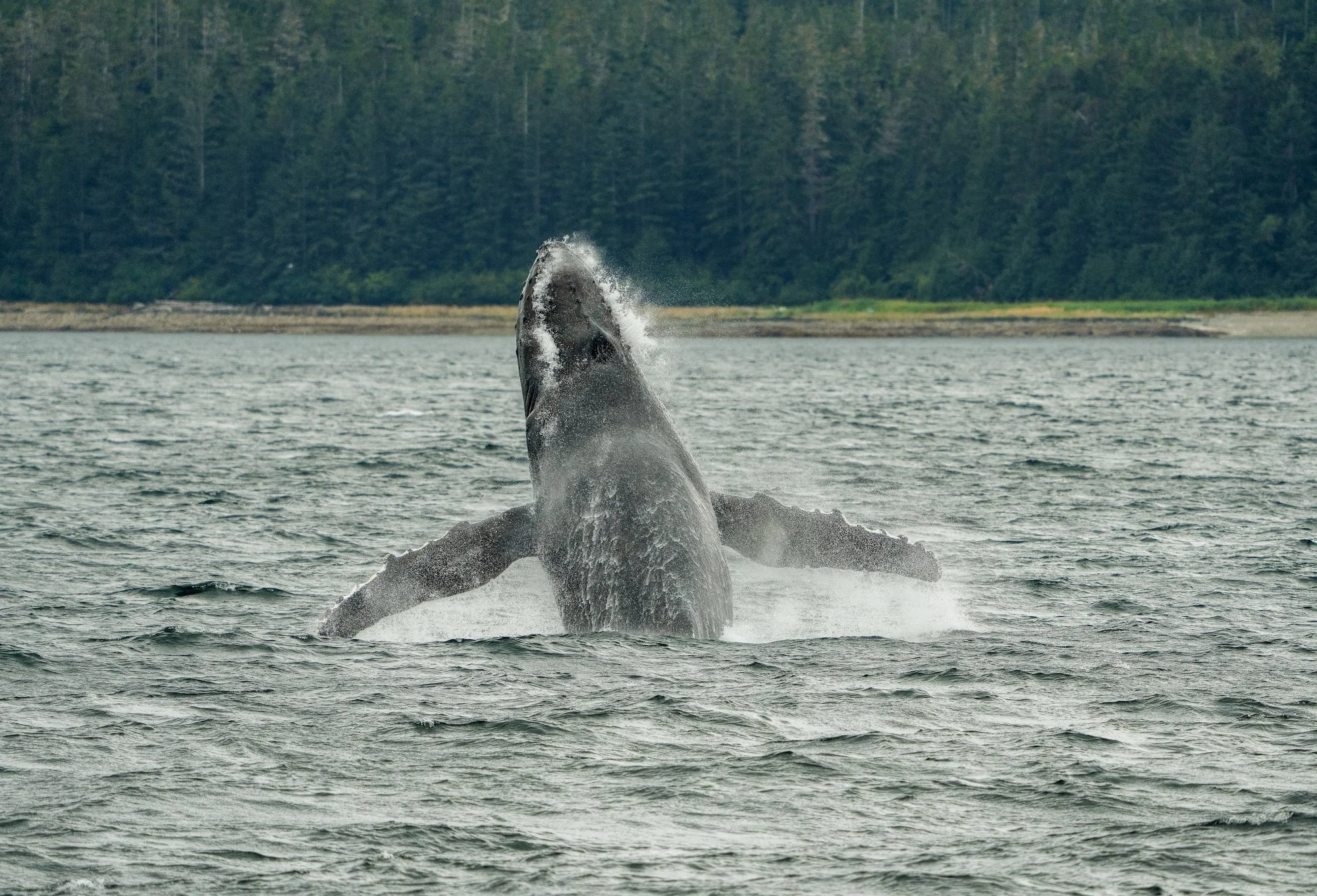
Southeast Alaska's waters are a hotspot for this because of the nutrient-rich setup. The Tongass National Forest—the world's largest intact coastal temperate rainforest—plays a big part. Its rivers and streams feed into the sea, supporting huge schools of forage fish that humpbacks rely on. About 25% of all salmon on the Pacific coast start their lives in Tongass waterways. That means plenty of herring, capelin, and salmon fry for whales to target.
The North Pacific humpback population is around 22,000 strong now, a recovery from near-extinction. They migrate up to 5,000 miles from tropical breeding spots to these cold, productive feeding areas. Without healthy ecosystems like the Tongass, behaviors like bubble net feeding couldn't thrive.
Stewardship in Action: Why It Matters
Seeing this up close isn't just thrilling—it's a reminder of our role in keeping these systems intact. At The Boat Company, every voyage supports conservation in the Tongass. We're a nonprofit, so your time aboard helps fund research and protection efforts. Healthy forage fish populations mean more moments like this for everyone.
If you're drawn to real encounters with Alaska's wildlife, consider joining us on a small-ship cruise. Our vessels carry just 20 guests, giving you intimate access to the fjords and inlets where humpbacks feed. Learn from naturalists like Christian, who know these waters inside out.
Ready to explore? Check out our Alaska small-ship cruises.